- Why ordinary works
- Make your list of ordinary moments
- Who should film it
- A rhythm you can actually keep
- What to measure
- What we'd stop doing
- When to get help
Most hotels and restaurants don't actually need more content. They need more things worth saying. And the ordinary bits you've stopped noticing, because you see them every day, are very often exactly the things that make someone want to come.
When we start working with a hotel or restaurant on social media, the first thing we ask for is usually not the beautiful drone shot. It's the Tuesday. Who's in the kitchen at eight. What the garden looks like after it rains. The table where the same couple sits every week. The dog that's always asleep by the door. This guide is about how to find those things, film them well enough, and post them regularly without it becoming a second job.
Part 1Why ordinary works
People don't book a hotel or a table because of a perfect photograph. They book because they can picture themselves there. Polished, empty, wide-angle shots of rooms are useful on a booking site, but on social media they all start to look the same. What makes your place different is the life in it.
It's also about trust. A slightly wonky photo of the actual breakfast, taken this morning, is more believable than a styled one from three years ago. People don't need your brand to be perfect. They need something to connect with.
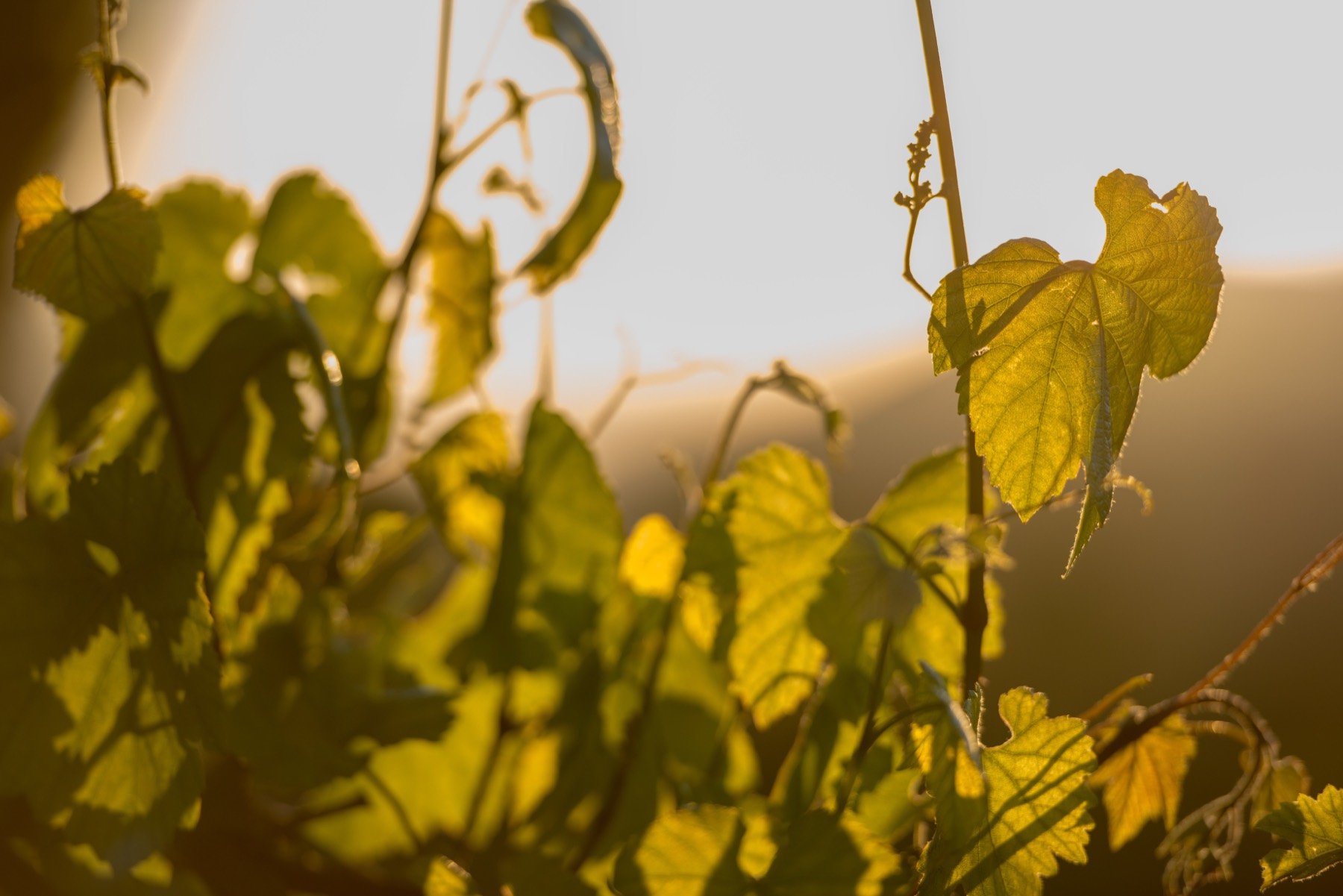
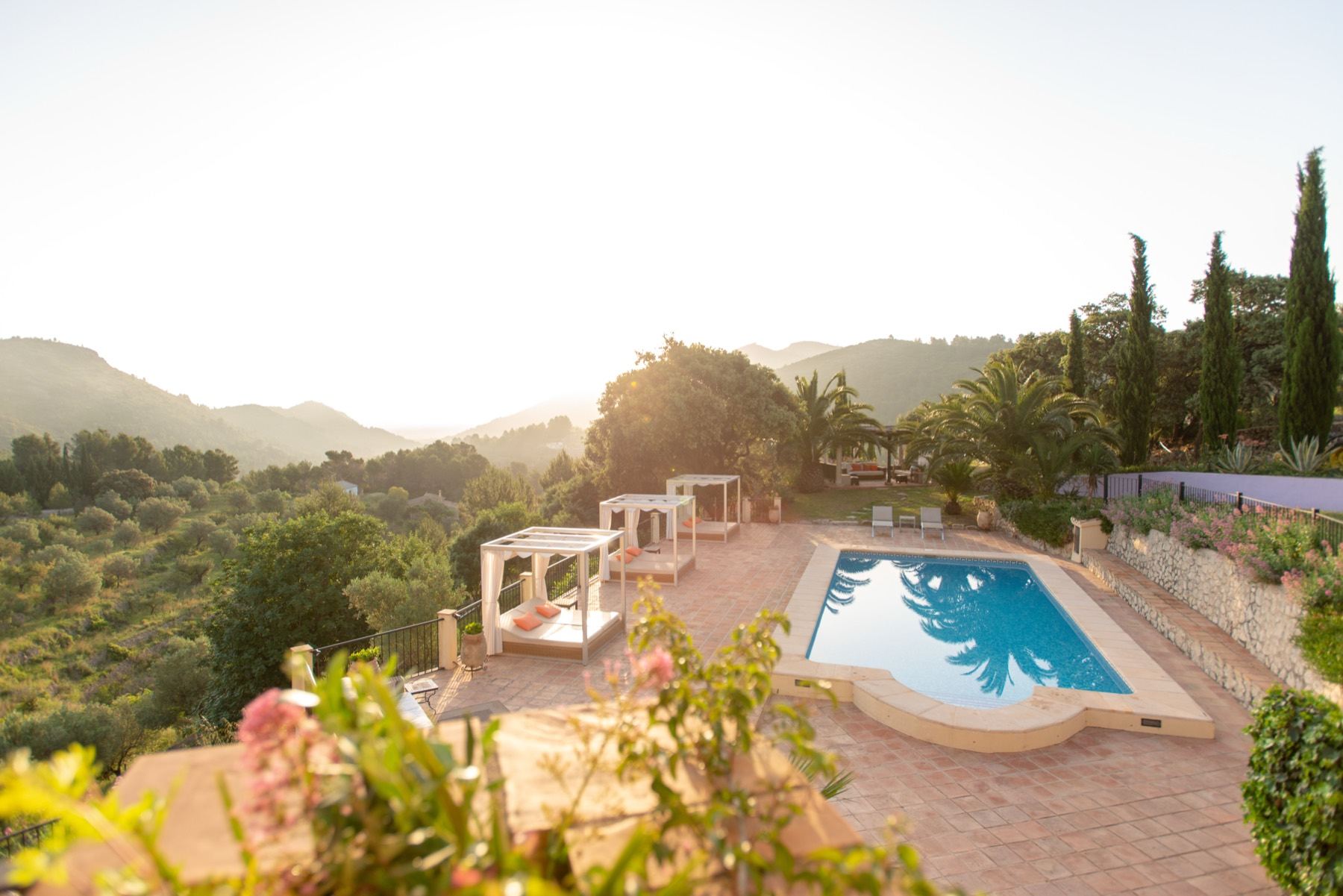
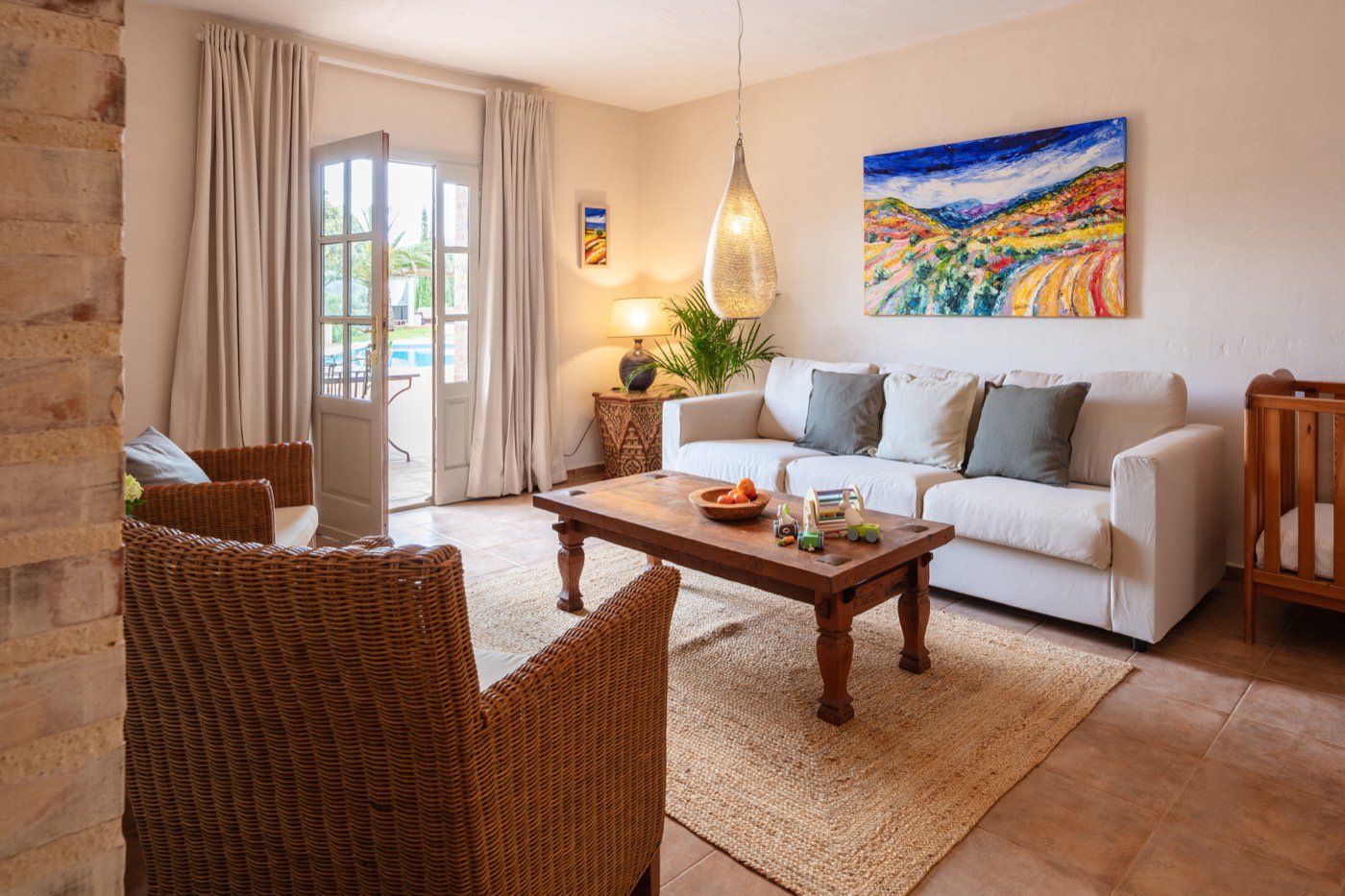
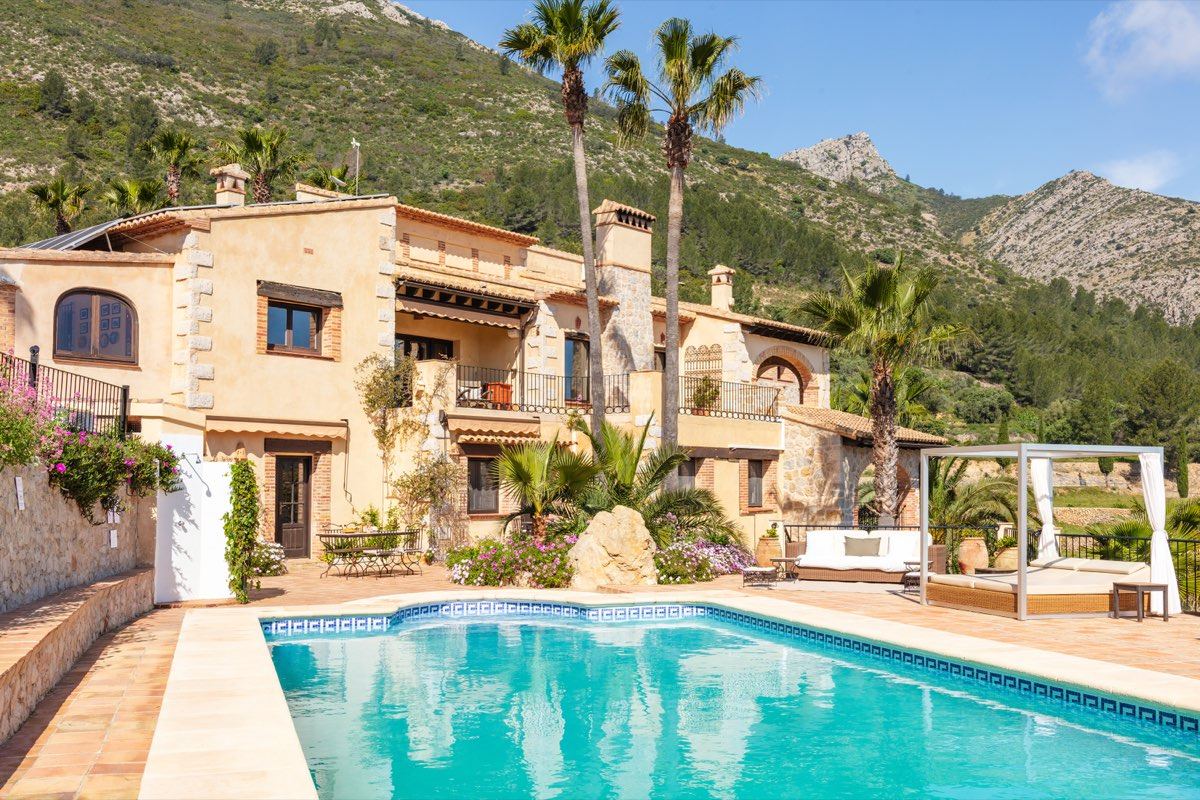
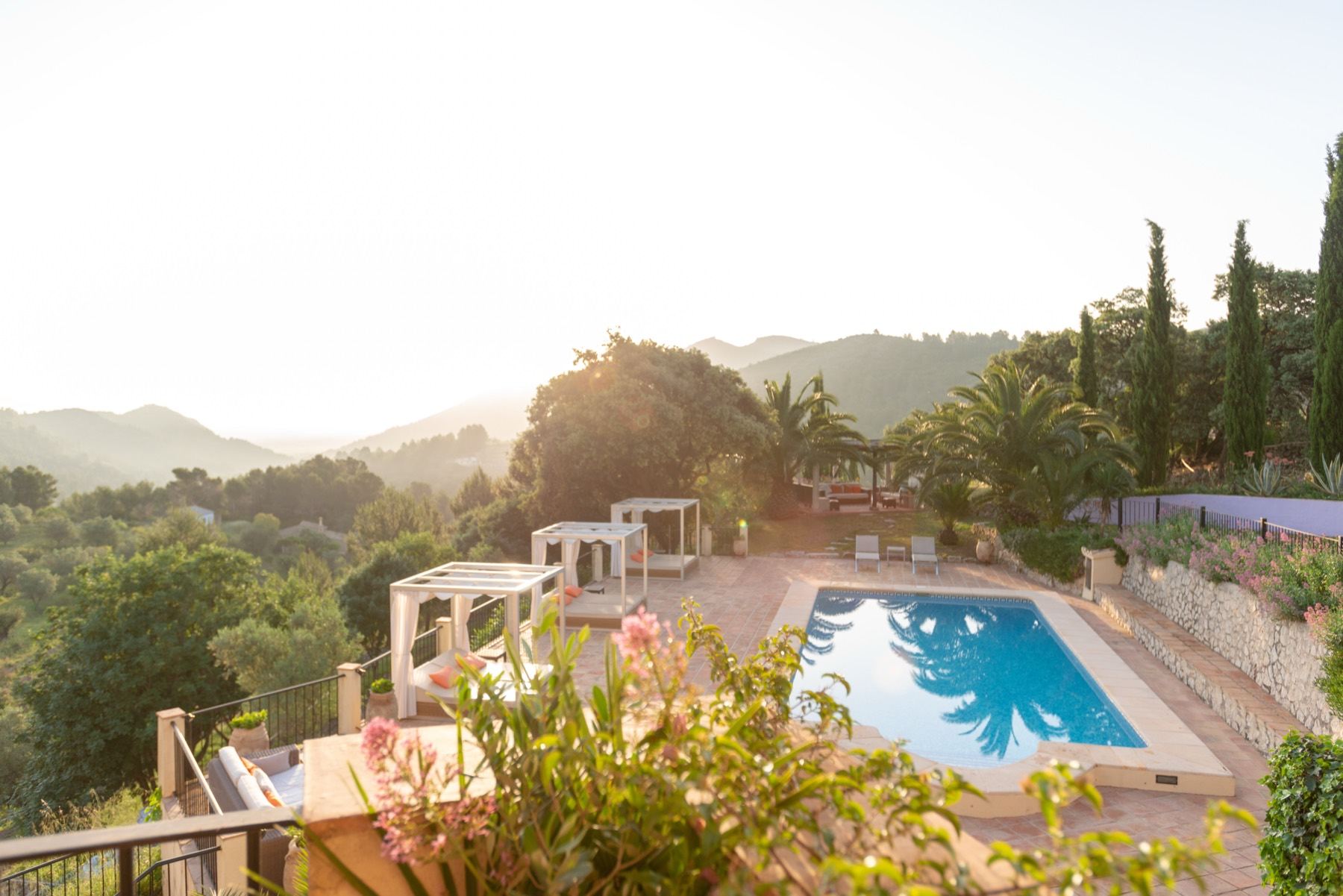
At Caserío del Mirador, a small family retreat in the Jalón Valley, we show the place as it is: shared meals, animals, quiet mornings, children running about and parents who finally get to feel on holiday too. That's the reason people book, so that's what we photograph and film.
Part 2Make your list of ordinary moments
Sit down with your team for half an hour and write down everything that happens in a normal week. Not the highlights, the normal things. Here are some to get you started. Most places can find thirty without trying.
- The first job of the morning: unlocking, opening shutters, the coffee machine warming up, setting tables.
- Deliveries: the fish arriving, crates of vegetables, the bread, the wine. Especially if it's local and you know the supplier by name.
- Prep: chopping, kneading, a big pot on the stove, someone tasting something.
- The view at different times of day, from the same spot. Same frame, different light.
- The garden, the pool, the terrace before anyone's up.
- Your team doing their actual jobs (with their permission), and a few words from them about what they do.
- The questions guests always ask, answered. Parking, where to walk, what's nearby, what to order.
- Things guests always comment on: the bread, the bed, the dog, the tiles, the sunset from table six.
- Behind the scenes on a busy night, or the calm before service.
- Local things you love: your favourite market, the beach you recommend, the bakery down the road.
- Seasonal changes: the first figs, the heating going on, the terrace closing for winter.
- Small details: a stack of plates, a hand pouring wine, the menu being chalked up.
Keep the list somewhere everyone can add to it. A note on a shared phone, a sheet pinned up in the kitchen. Every time a guest asks a question or says "oh, I love that", it goes on the list. That list is your content plan.
Part 3Who should film it
You don't need to turn the owner into an influencer, and you don't need to hire someone to be there every day. Usually the best approach is a mix: a proper shoot a few times a year for the beautiful, considered photos and videos you'll use everywhere, and quick everyday clips from the people who are actually there.
If your team is filming on phones, a few simple habits make a huge difference.
- Wipe the lens. Honestly, this is the single biggest improvement. Phones live in pockets.
- Shoot vertical (9:16) for Reels and stories. Turn the phone sideways only if it's for the website.
- Use natural light. Film near a window or outside. Turn off overhead lights if they're harsh.
- Hold still for five seconds before and after the action. It makes editing so much easier.
- Film more than you need: a wide shot, a close-up, and a detail of the same moment.
- Don't zoom. Walk closer instead.
- Ask before filming guests, and avoid children's faces unless parents have said yes.
- Make a shared album where everyone drops clips, so nothing gets lost in someone's camera roll.
Part 4A rhythm you can actually keep
Consistency matters more than volume. Three good posts a week, every week, does far more than twelve posts one week and nothing for a month. Here's a simple weekly rhythm that works for most small hotels and restaurants.
- One Reel: a moment from your list, 7–20 seconds, with one line of text on screen to say what it is.
- One photo or carousel: something beautiful from your proper shoot, or a carousel answering a common question ("Five things to do within ten minutes of us").
- One human post: a person, a supplier, a regular, a bit of your story.
- Stories most days: quick, unpolished, what's happening today. The specials, the weather, the table being laid. This is where the real Tuesday lives.
Pick one day a month to plan and batch. Go through the clips in the shared album, choose the best, write captions, and schedule what you can. An hour or two once a month is much easier than thinking about it every single day.

Part 5What to measure
Likes are nice, but they're not really what matters for a hotel or restaurant. What you want to know is whether social media makes people want to come. So look at:
- Saves and shares. When someone saves a post, they're planning. When they share it, they're inviting someone.
- Messages. Questions about availability, menus, dates, groups. Note them down, and note which post they came from.
- Profile visits and link clicks to your booking page or menu.
- What guests say when they arrive: "I saw the video of the breakfast" is the best measurement there is. Ask your front-of-house team to listen out for it.
- Which kinds of post do best over a few months, not one week. Then make more of those.
Part 6What we'd stop doing
- Posting the same three beautiful photos over and over.
- Long captions full of words like "nestled", "oasis" and "unforgettable experience". Everyone says them, so they mean nothing.
- Trending audio that has nothing to do with you.
- Disappearing for months, then posting ten times in one day.
- Making everything look perfect. The slightly imperfect, real version is almost always more convincing.
Part 7When to get help
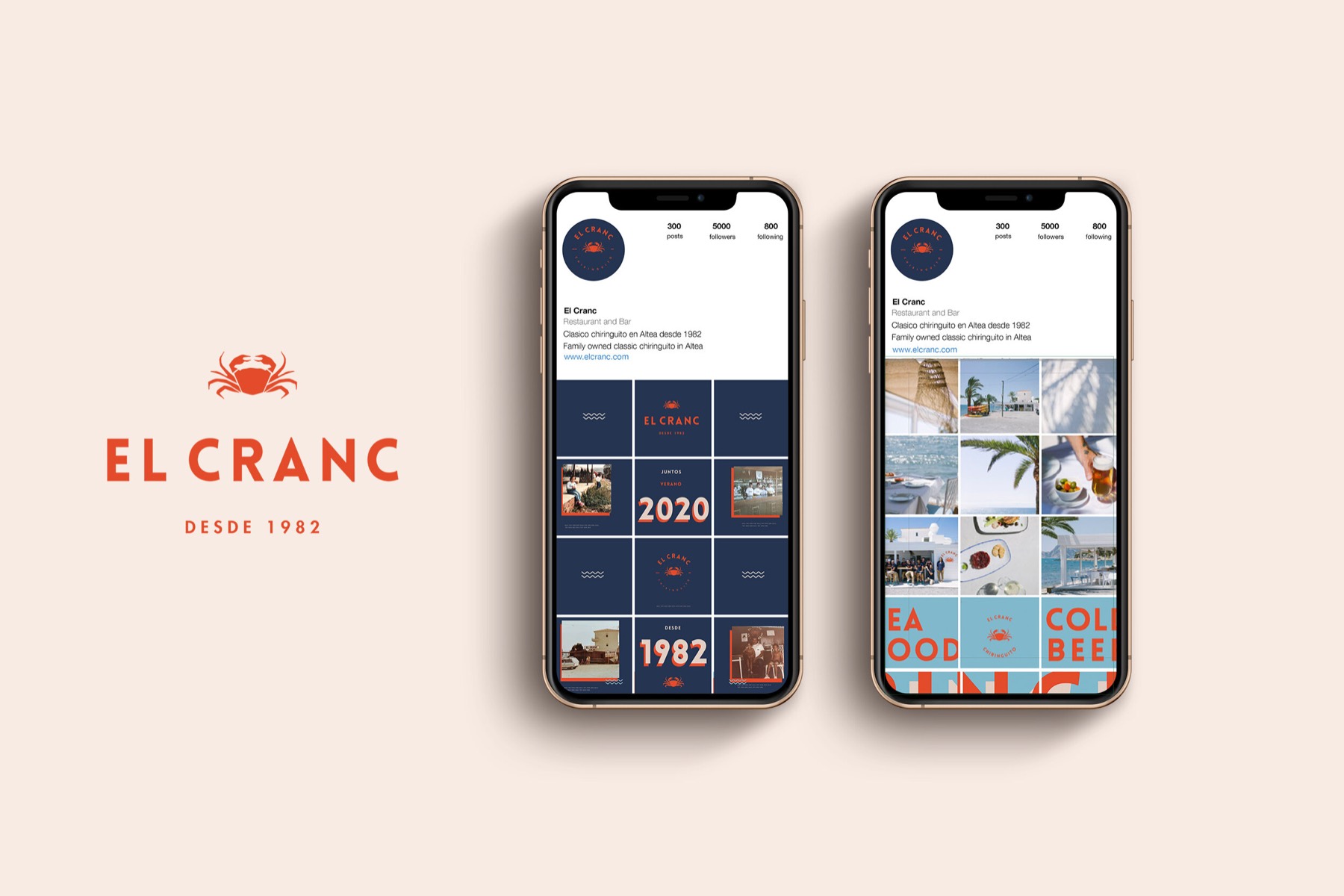
Lots of places can do all of this themselves, and we'd genuinely encourage you to try. Where we usually help is the bits that are hard to do from the inside: seeing what's special about your place when you've stopped noticing it, a few proper shoots a year so you have a library of beautiful material, a clear plan, and sometimes running the whole thing so you can get on with running the business.
See how we work with hotels and restaurants on social, or get in touch.