- Colour is the easy win
- Shape counts as much as colour
- Plates, jugs and the little olive dish
- Why we like what we like
- If you're opening something new
We know someone who'll say yes to absolutely anything but will not drink out of an ugly glass. If we're honest, that person is us. Lucy will wear vintage shoes and still refuse a bad wine glass.
It sounds fussy, but there's a reason for it. You can spend months on a restaurant's logo, menu and interior, and then serve every drink in the same glass as the place next door. The glass is the one object every single guest touches, holds for the whole meal and puts in almost every photograph of the table. It's probably the most-seen piece of your brand, and it's usually chosen from a catalogue at the last minute.
Part 1Colour is the easy win
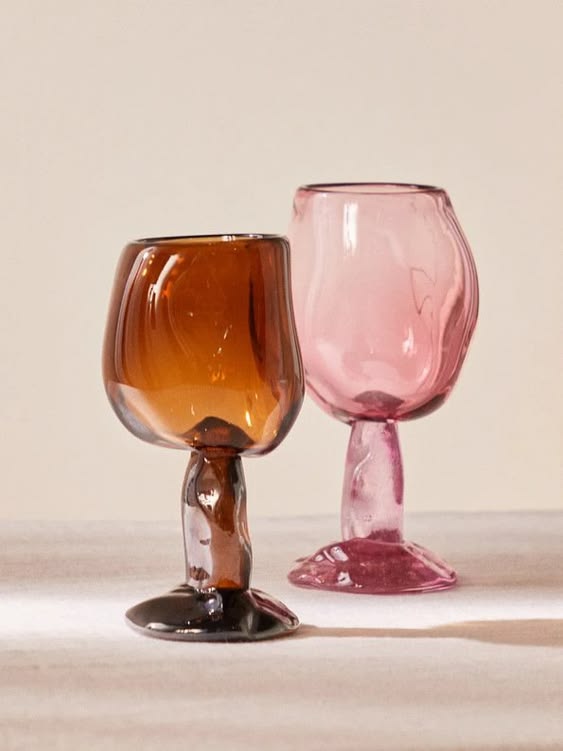
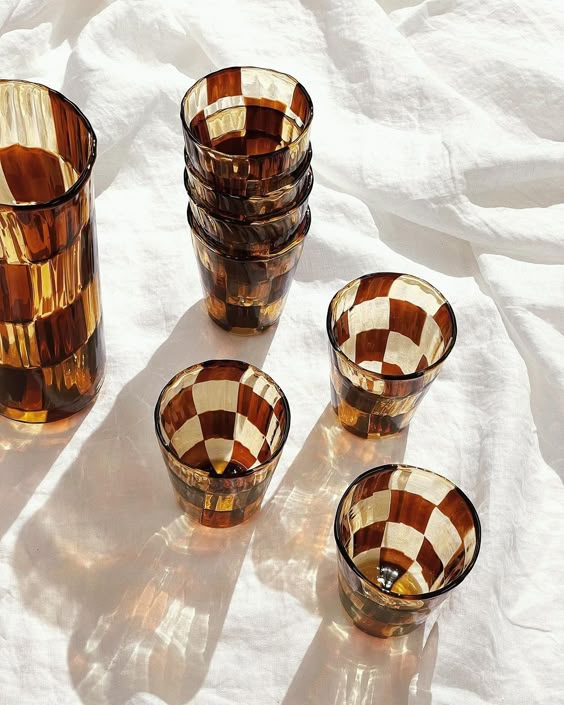
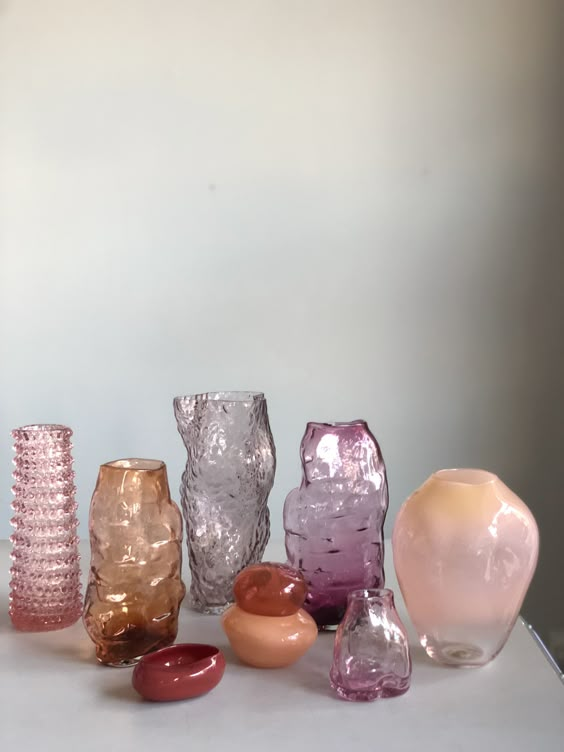
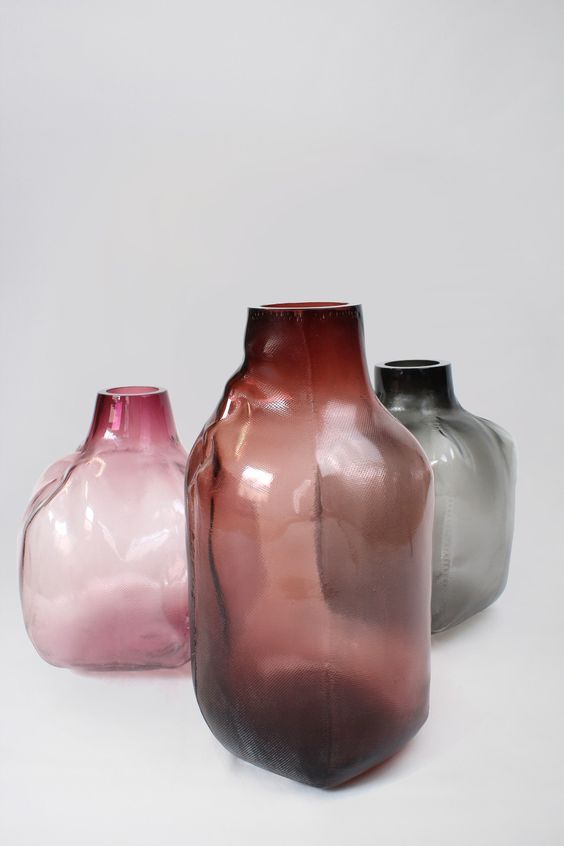
Amber, pink, smoky green, a soft lilac. A coloured glass makes water look like an occasion, and it photographs beautifully in sunlight, which is useful when half your guests are going to put your table on Instagram. The checked amber glasses above are a good example: you'd notice them immediately, and you'd remember where you saw them.
It doesn't have to be the whole set. Lots of places we love use simple clear wine glasses and then one coloured glass for water, or one unusual tumbler for a house drink. That's enough to make it feel considered.
Part 2Shape counts as much as colour
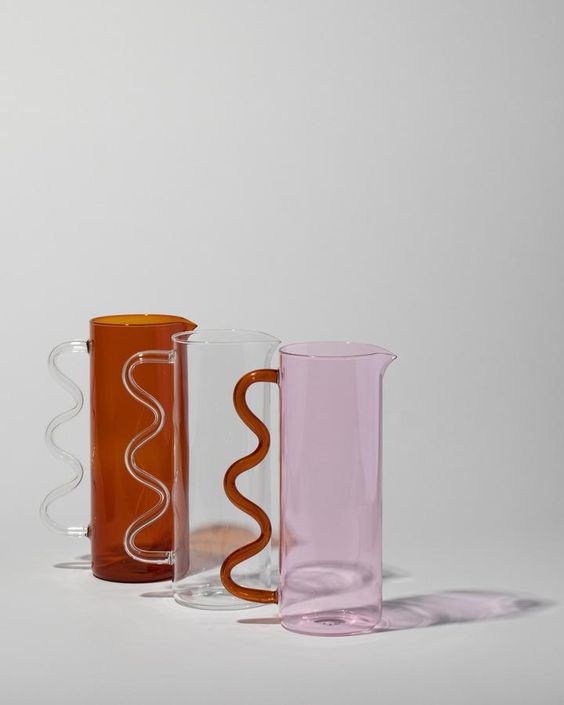
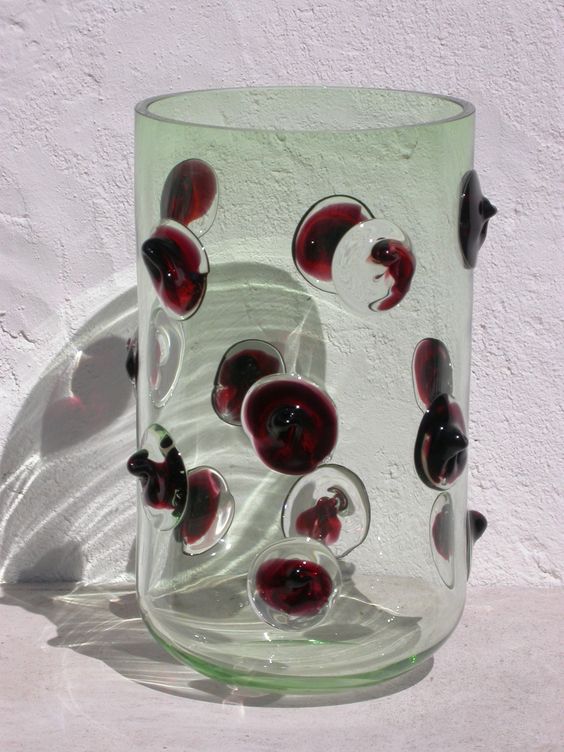
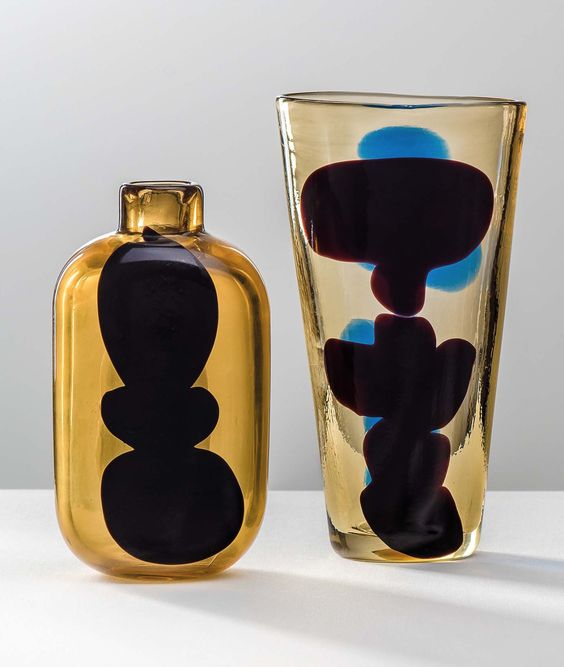
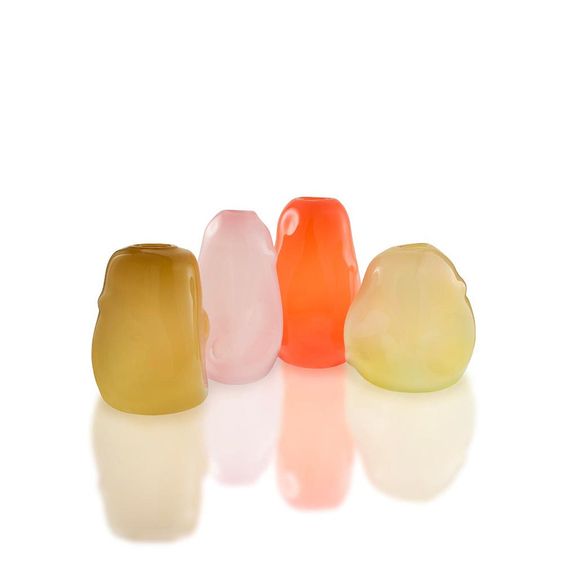
We love a glass with a strange stem, or a wobbly shape that's obviously handmade. The wavy stems, the chunky amber goblets, the vases with little blobs of colour stuck on. They're a bit playful, and they make a table feel like somebody put it together rather than ordered it in bulk.
That said, a restaurant isn't a home. Before you fall in love with a glass, think about how it'll go in the dishwasher, how it stacks, how easily it chips, how much it costs to replace when a few break every week (they will), and whether you can reorder it in a year. Sometimes the answer is to keep the special glasses for one thing and use something sturdier for everything else.
Part 3Plates, jugs and the little olive dish
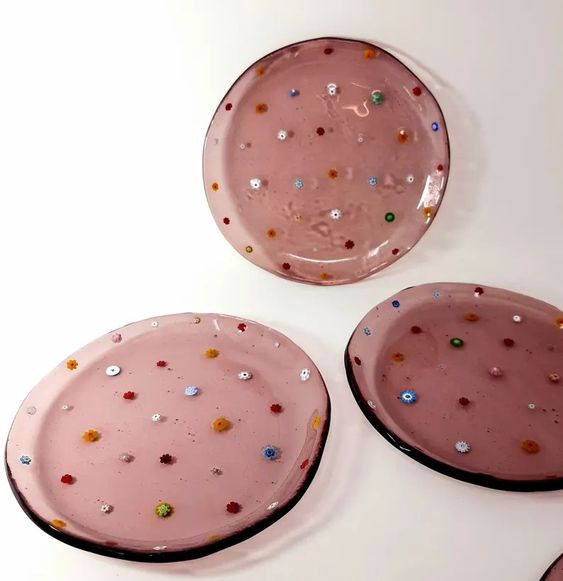
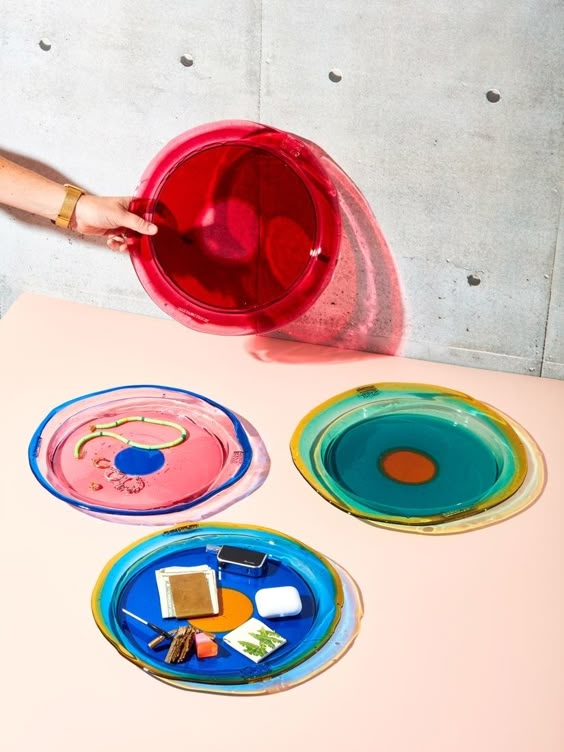
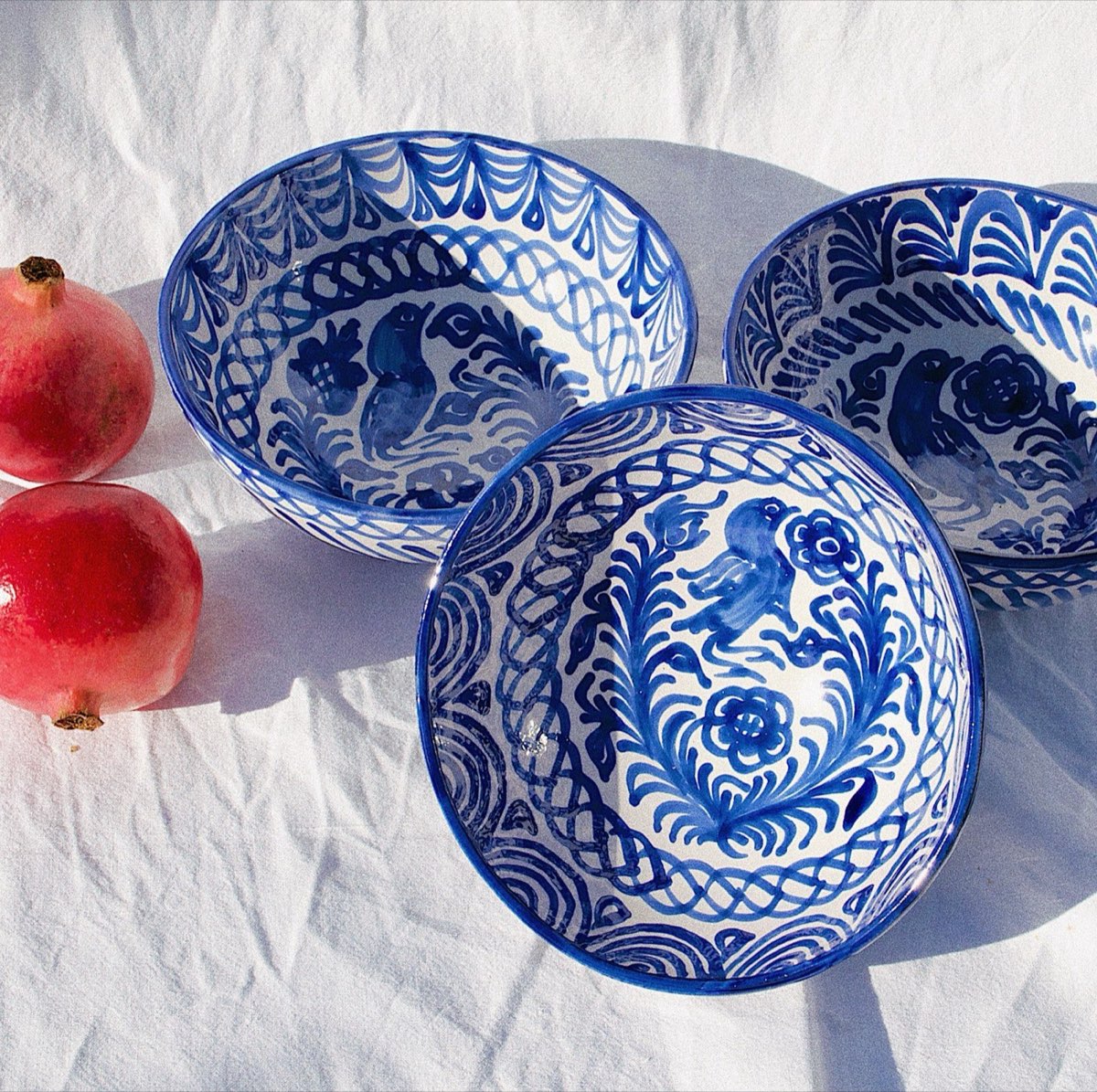
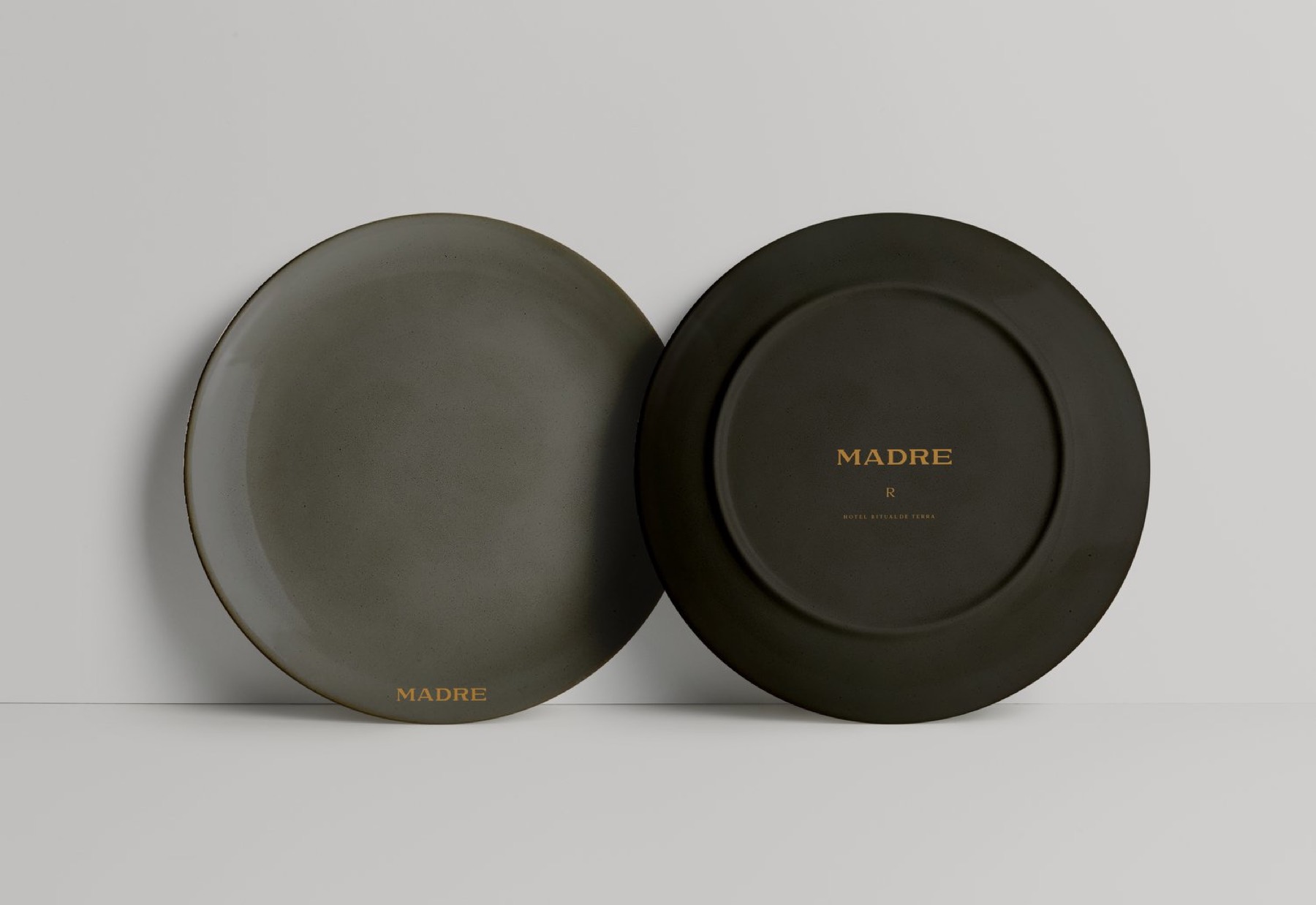
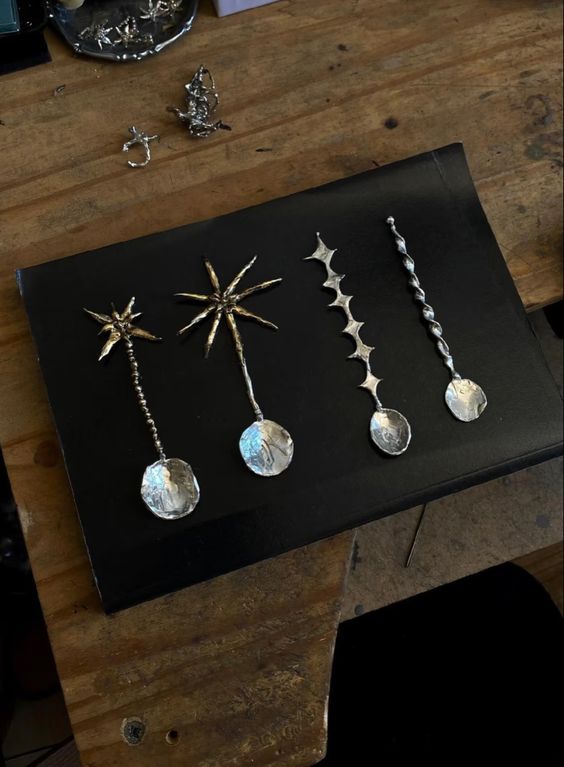
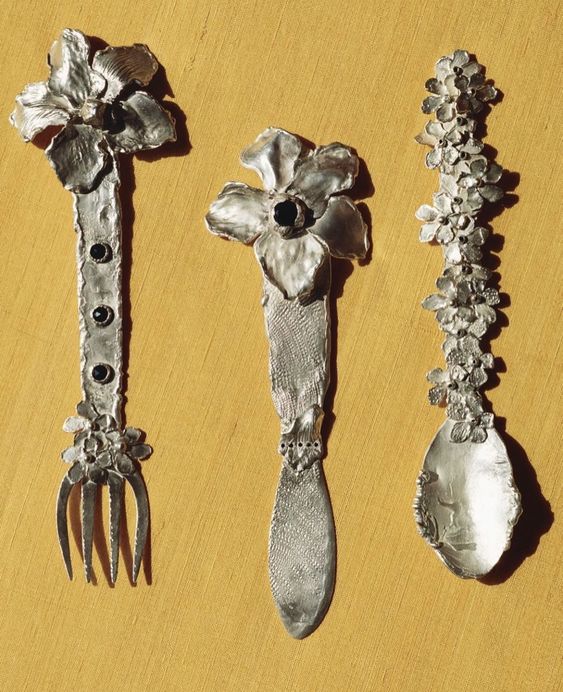
Everything we've said about glasses goes for plates too. And jugs, and the little dish the olives come in, and the cutlery. We love plates that don't all perfectly match. A table with a few different handmade ceramics on it feels generous and relaxed, in a way a full matching set rarely does.
Lucy has a soft spot for handmade pottery from the markets here. In her words about one find: "I find all the pieces like little works of art." We think that's exactly how a guest should feel when the plate arrives.
Part 4Why we like what we like
It comes back to the same thing every time. We like small details that somebody didn't have to care about, but did. And we like objects that are a bit odd and a bit joyful over ones that are just expensive.
There's also something about objects you hold. A logo is something you look at. A glass is something you feel, and the weight and shape of it affects how the wine tastes (or at least how it feels like it tastes). It's one of the few bits of branding that actually touches the guest.
Part 5If you're opening something new
Choose the tableware at the same time as the brand, not after. Bring a few glasses and plates to the identity meetings. Photograph them on the actual tables. It's much easier to make the whole thing feel connected when the glass, the menu and the colour palette are decided together.
More on our Glass board, and if you want help with tableware for a restaurant, get in touch.