- Map the guest journey
- The welcome moment
- The room
- A shop that feels like the place
- Signature objects
- Something made just for you
- Working with local artists
- The goodbye, and after
What should you stock in your hotel shop? What would make a lovely welcome gift? How could your packaging be better? Should you collaborate with a local artist? These questions rarely make it into a branding brief. But they're often the things guests remember most, and they're some of our favourite things to work on.
We'd honestly rather stay in a twelve-room hotel with a very opinionated owner than somewhere enormous and polished. What makes those smaller places special is almost always the little extras: someone clearly thought about what it would feel like to arrive, to wake up, to leave. This guide goes through each of those moments with practical ideas, most of which don't cost much.
Part 1Map the guest journey
Before you buy or make anything, write down every moment a guest has with you, from the first time they hear about you to a few weeks after they've gone home. For each one, ask: what do they see, touch and take away? Where is it just functional, and where could it be a bit lovely?
- Before arrival: the booking confirmation, the pre-arrival email, directions.
- Arrival: the gate or door, the first person they meet, check-in, the walk to the room.
- The room: the first thing they see when they open the door, the bed, the bathroom, what's on the table.
- Breakfast and meals: the table, the tableware, the menu, the coffee.
- Around the property: the pool, the garden, the reading corner, the honesty bar.
- Out and about: the recommendations you give, the map, the beach bag.
- Departure: check-out, the goodbye, anything they leave with.
- After: the thank-you email, the review request, what they see on social media.
Most hotels put a lot of thought into the room and almost none into the pre-arrival email or the goodbye. Those moments are cheap to improve and have a big effect on how the whole stay is remembered.
Part 2The welcome moment
The first ten minutes set the tone for the whole stay. Guests are often tired, a bit hot, sometimes with tired children. Anything that makes them feel expected and looked after goes a very long way.
When we look at a welcome gift, we judge it on four things: where it comes from, whether it's useful, what it costs you, and whether it's easy to pack. A gift that's local, useful, affordable and fits in a suitcase is nearly always a good one.
- Something local to eat or drink: olive oil from a nearby producer, honey, almonds, a small bottle of wine, biscuits from the bakery in town. Include a little card saying who made it.
- A printed map of your favourite places nearby, drawn or designed, with a few honest notes ("best at 8am before the crowds").
- A welcome card with a handwritten line and the guest's name. It takes a minute and people keep them.
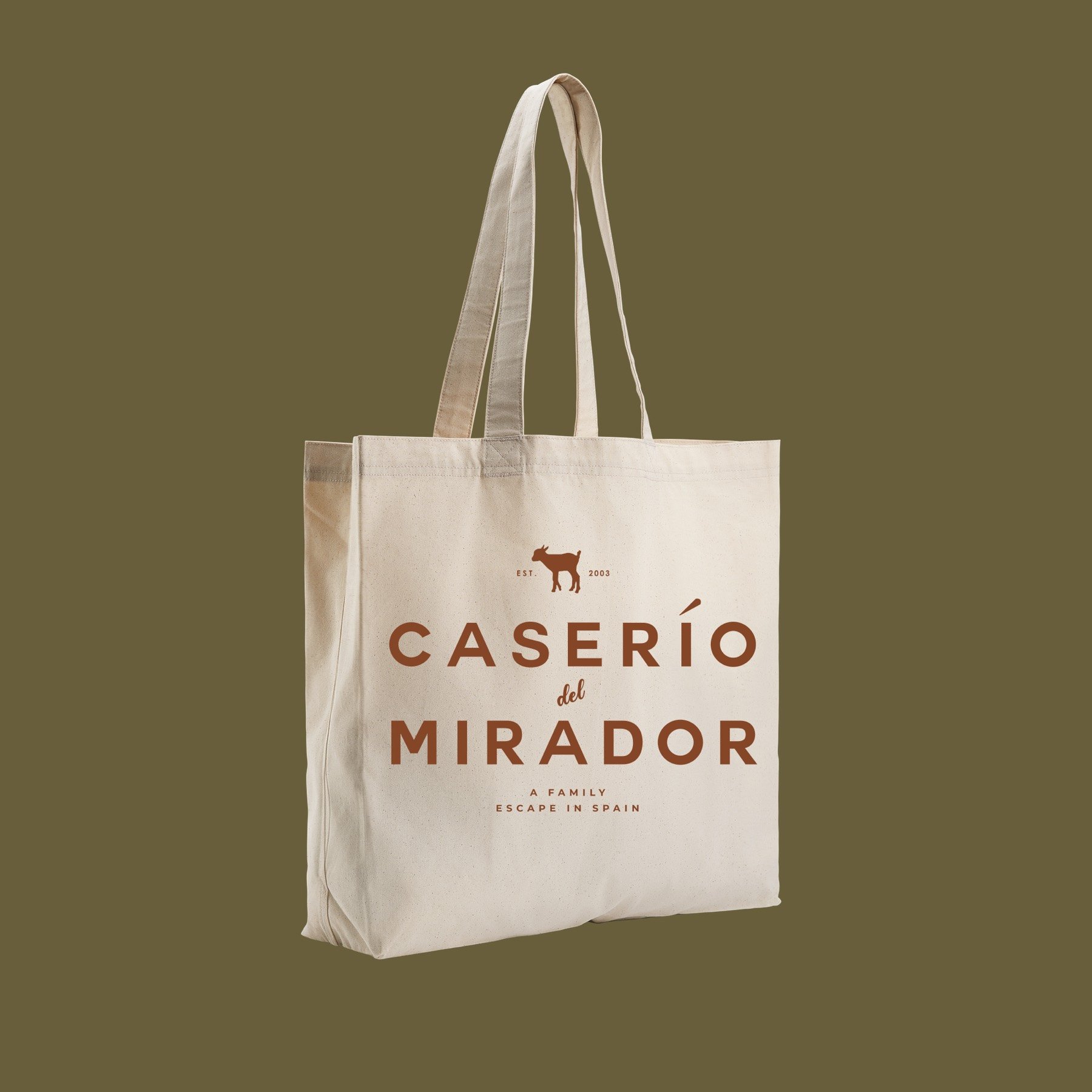
- Something for the beach or the walk: a tote bag, a water bottle, a pareo, a hat to borrow.
- For families: a small activity pack for children (crayons, a drawing of the house to colour, a list of animals to spot).
- Avoid: anything branded that nobody actually wants, plastic, things that are hard to fly home with, and big baskets that look generous but end up mostly thrown away.
Part 3The room
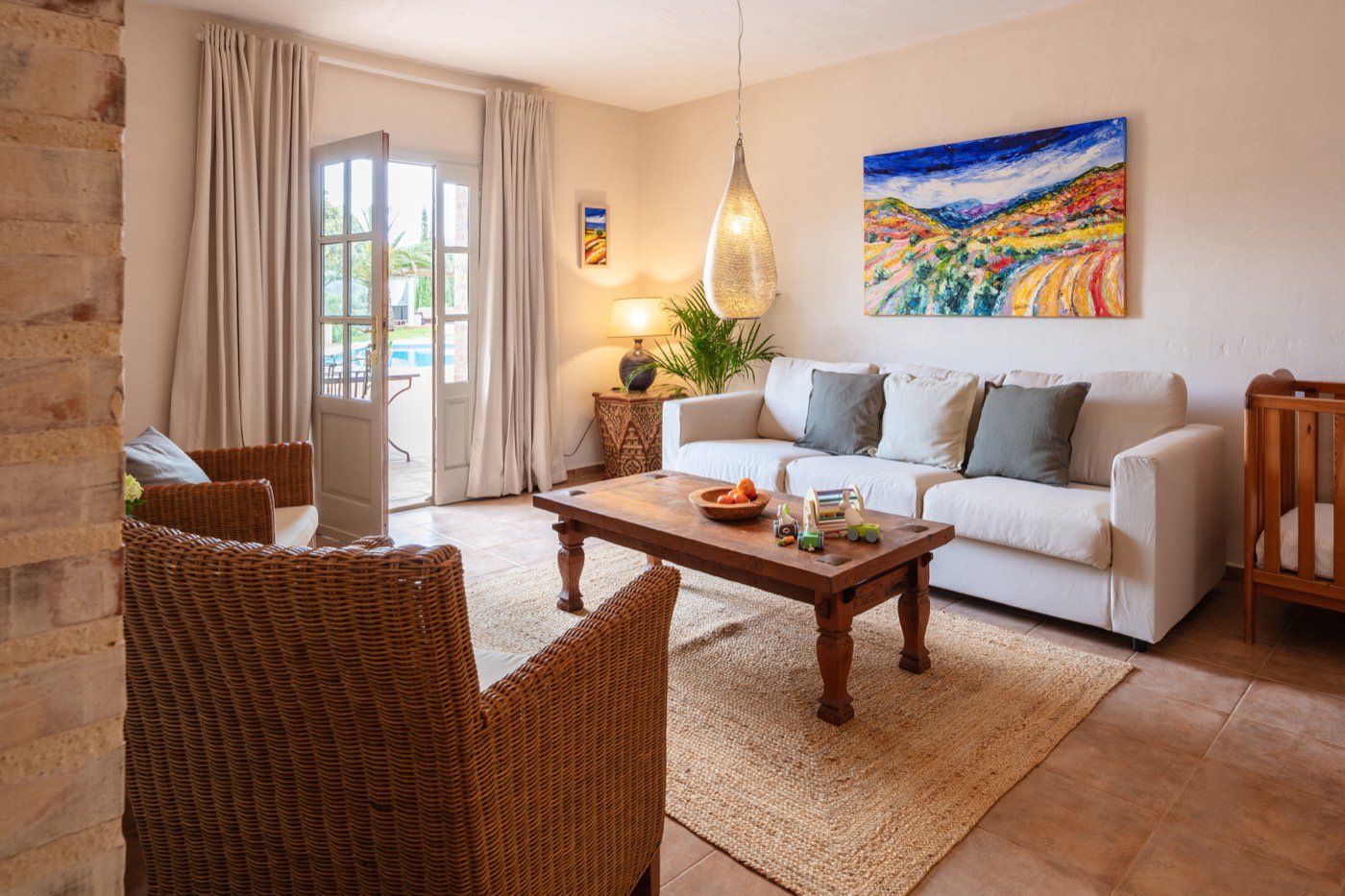
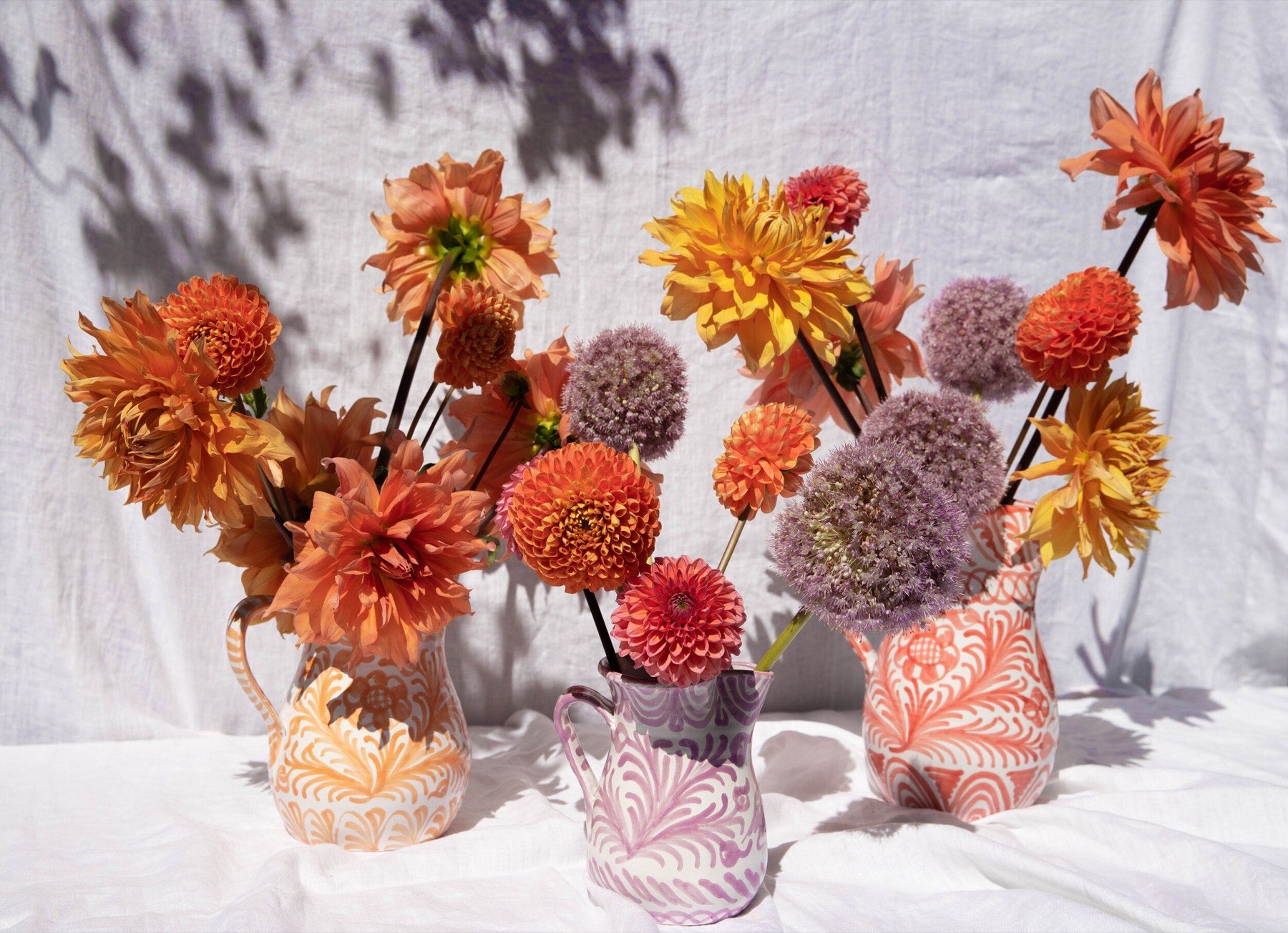
When someone opens the door to their room, there's one moment where they take it all in. It's worth deciding what you want that moment to be. Usually it's one beautiful thing: the view, the bed with a lovely throw, a painting, a jug of flowers, a chair by the window.
- Simple bones, one special thing. A room with good light, a great bed and one interesting piece of art or furniture feels more special than a room full of decorative objects.
- Art by local artists. Often affordable, gives you a story to tell, and you can sell it (see the shop section below).
- Textiles. A printed cushion, a throw, a robe or a table linen that's specific to you. This is where something made just for your place can make a big difference.
- Bathroom products: decant into good bottles rather than lining up mini plastic ones. If you can, use a local maker.
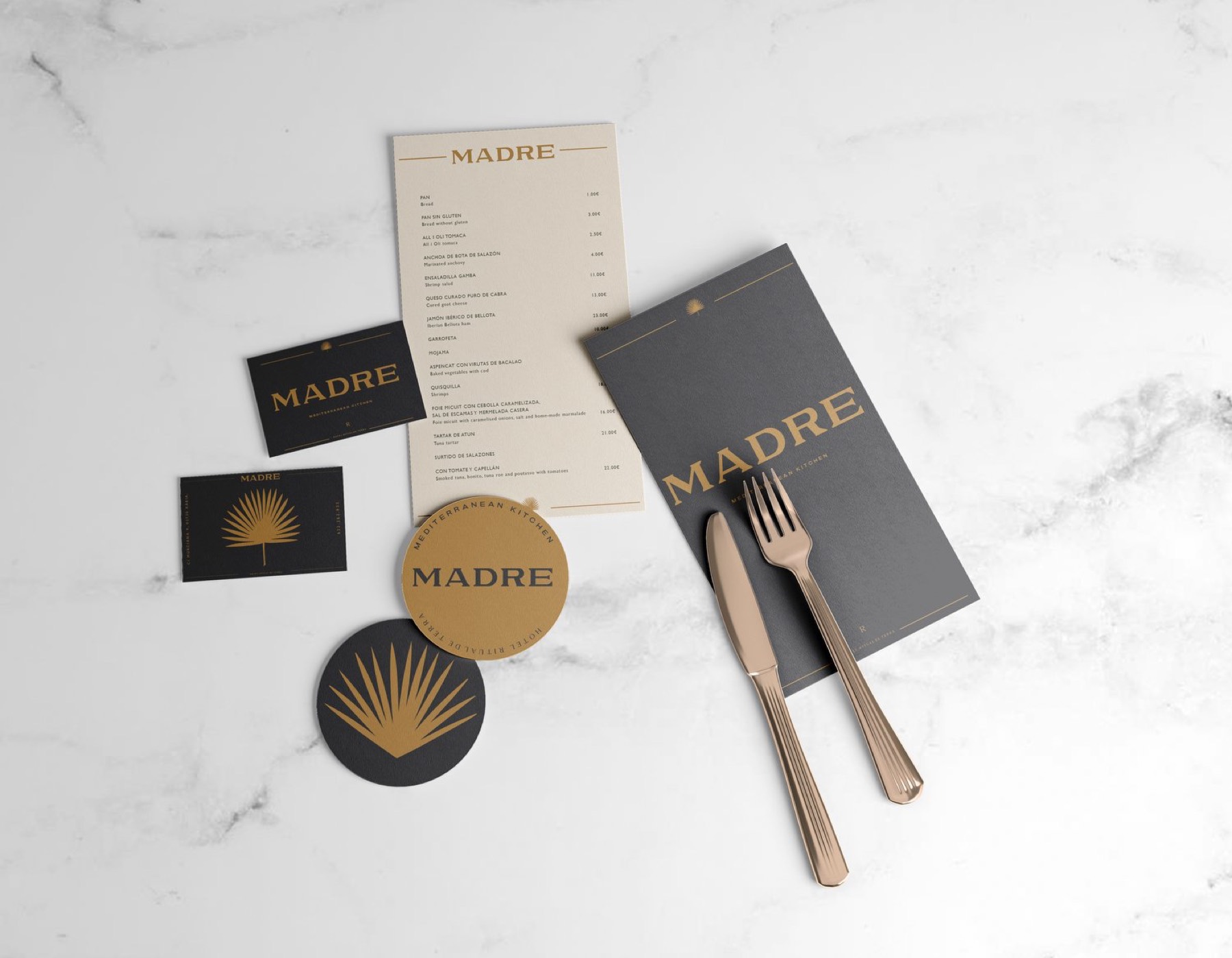
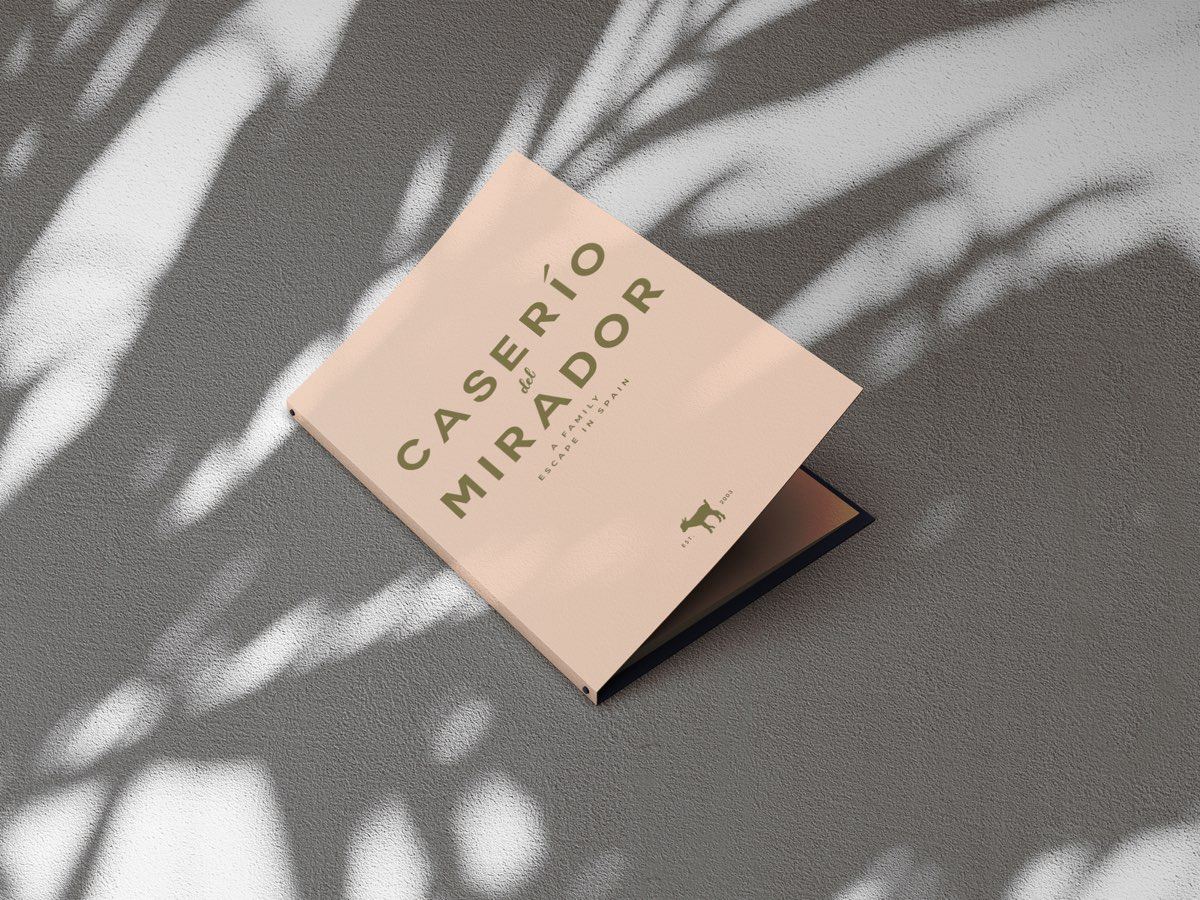
- A small printed guide: wifi, how the shower works, breakfast times, your recommendations. Design it properly. It's read by every guest.
- Somewhere to put things. A hook, a tray, a bench for the suitcase. Practical things are noticed when they're missing.
Part 4A shop that feels like the place
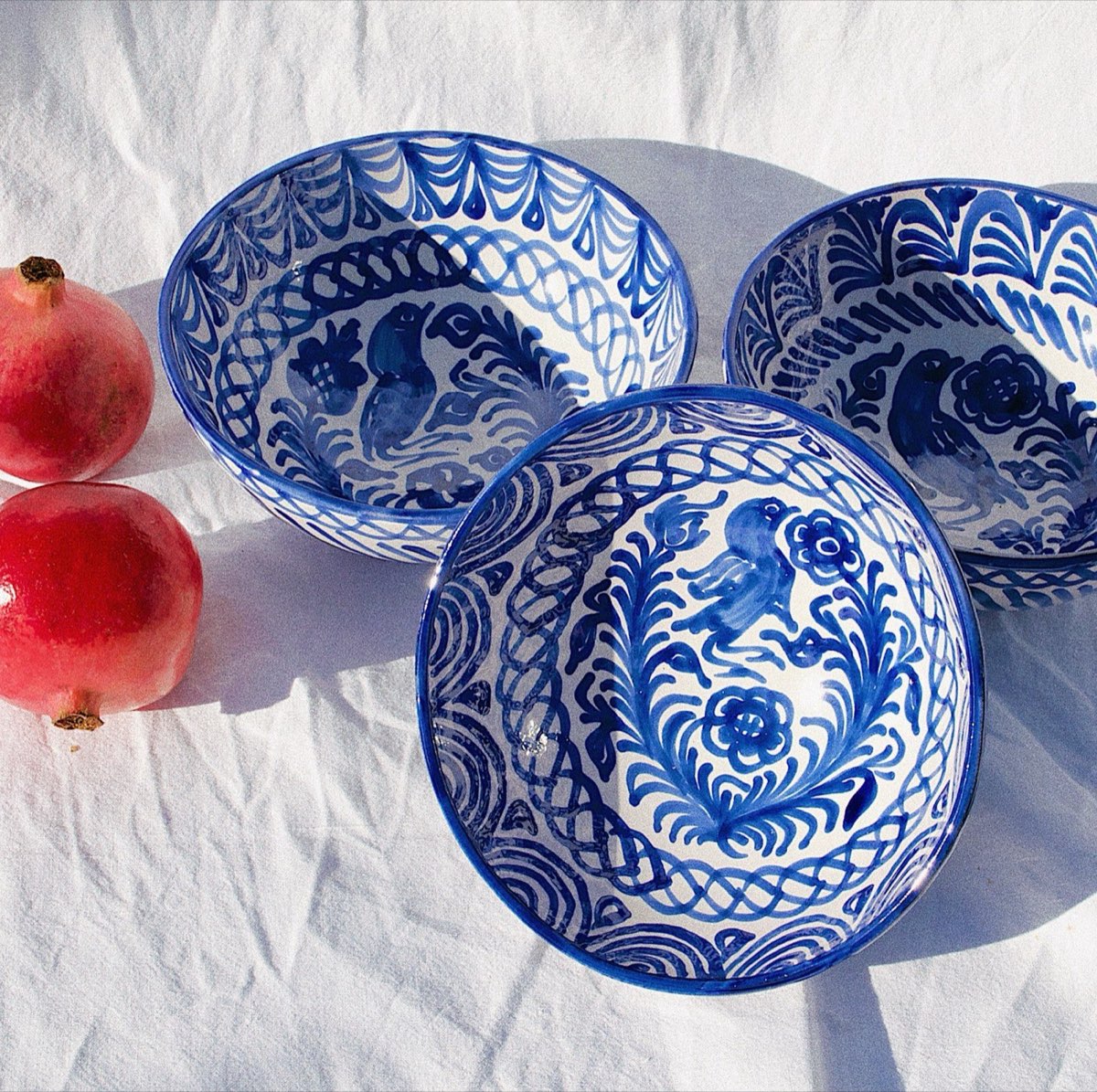
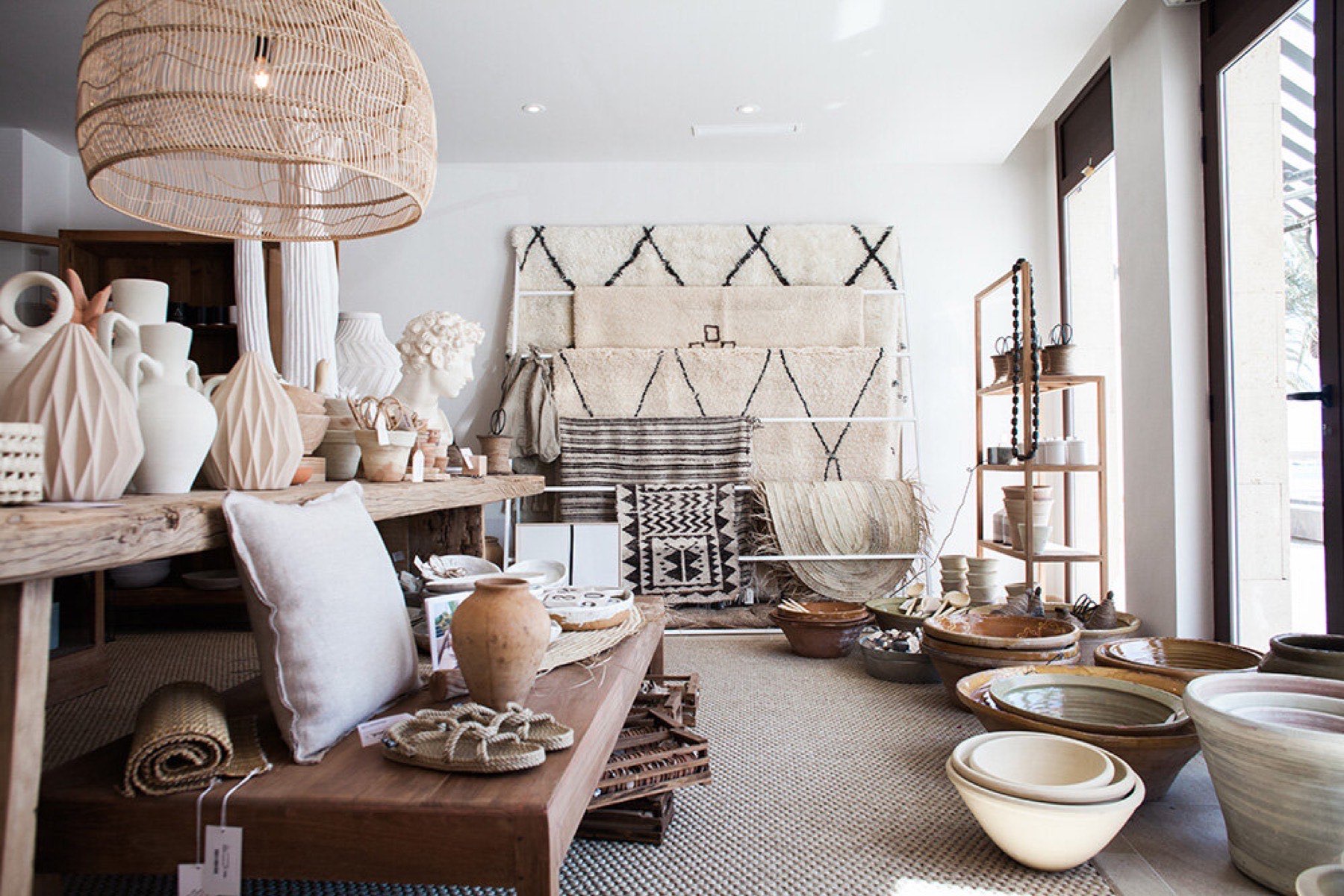
A hotel shop shouldn't be a souvenir stand. The best ones sell the things guests asked about during their stay: the ceramics they ate breakfast off, the linen on the bed, the oil on the table, the print in the hallway. It turns "where did you get this?" into a sale, and it means guests take a real piece of your place home with them.
It also doesn't need much space. A shelf in reception, a cabinet in the breakfast room, or a few things for sale around the property with a small price card can work just as well as a dedicated room.
- Start with a point of view. One sentence for what the shop is, such as "things we use here, made within 50km". It helps you say no to everything else.
- Choose three to five categories: tableware, textiles, pantry, art and prints, books and maps, beach and swim.
- Work with local makers. Ask about wholesale prices or sale-or-return. Many small makers are happy to have a beautiful place to show their work.
- Price properly. As a rough rule, retail is often around double the wholesale price, but check what's normal for each maker and category.
- Put the products in use first. Serve breakfast on the plates you sell. Put the throw on the bed. Then guests ask.
- Display a small amount, well. A few things beautifully arranged sell better than a crowded shelf.
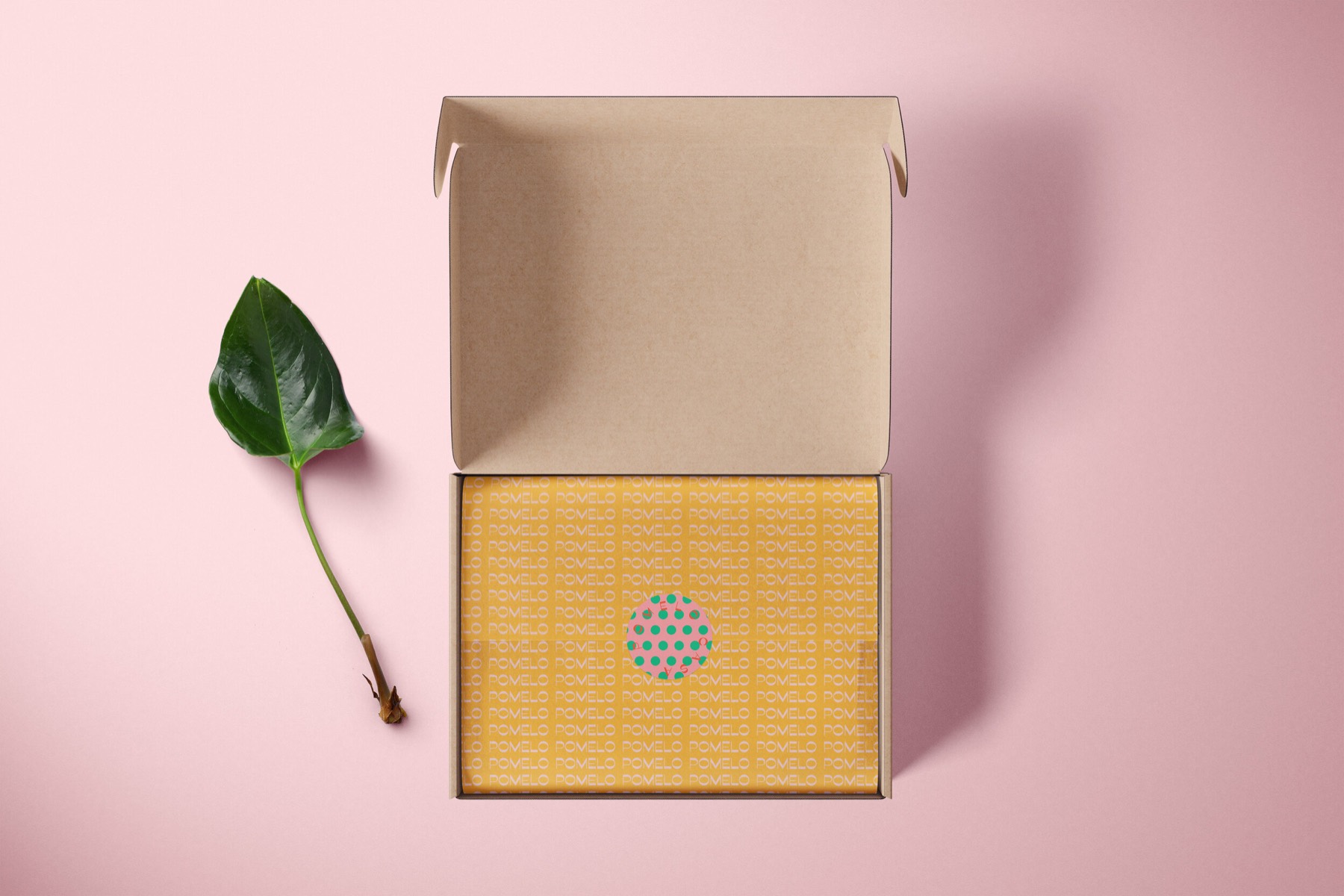
- Make the packaging part of it: a printed bag, tissue, a sticker, a card about the maker.
- Consider a small own-label range later: a print, a candle, a tote, a ceramic cup. Only once you know what sells.
Part 5Signature objects
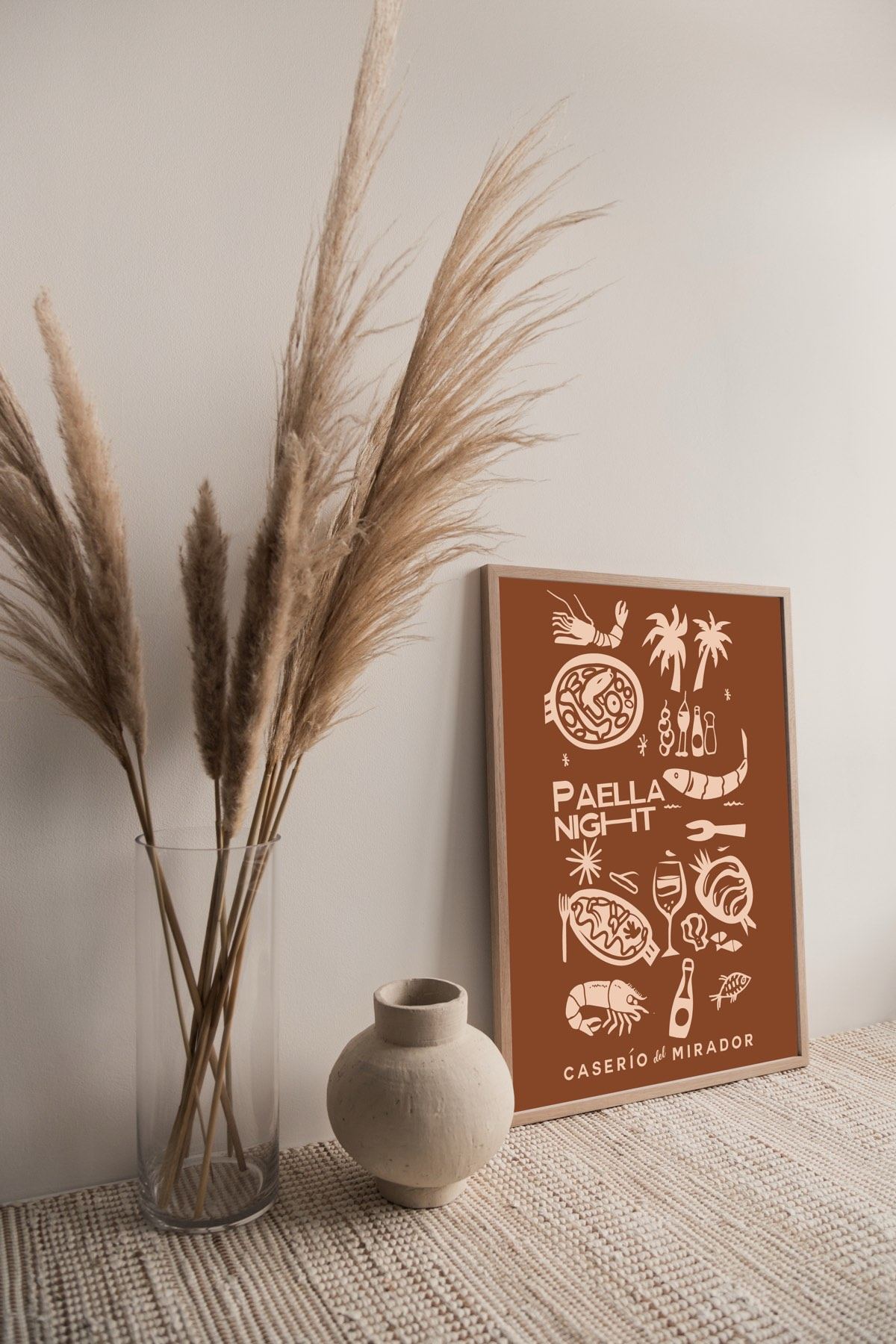
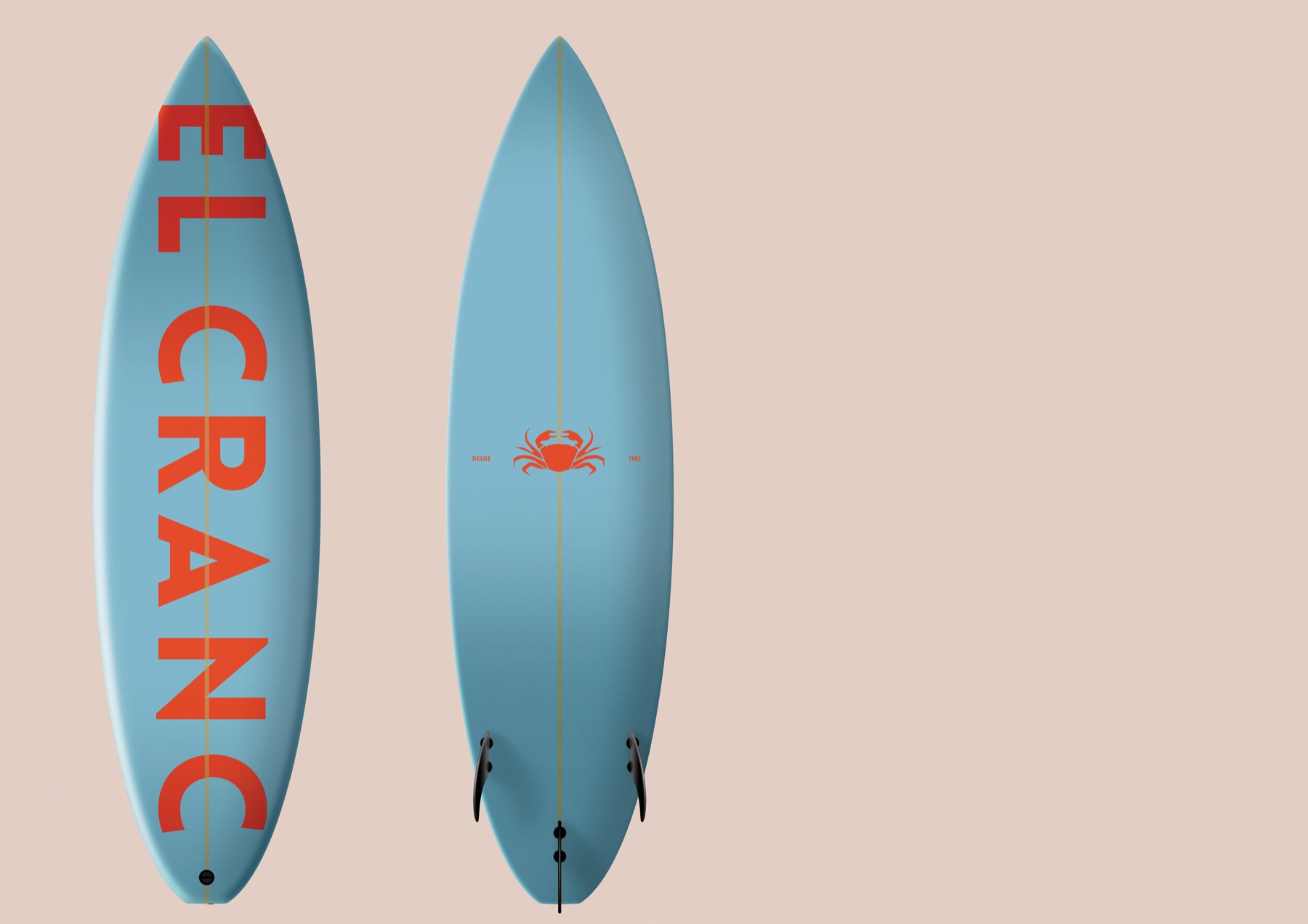
Some of the most memorable hotels have one object that becomes theirs. A particular cup, a beach bag, an illustrated map, a set of matches, a printed robe. Guests photograph it, ask about it, and sometimes buy it. Here are the kinds of things we suggest, roughly from easiest to most involved.
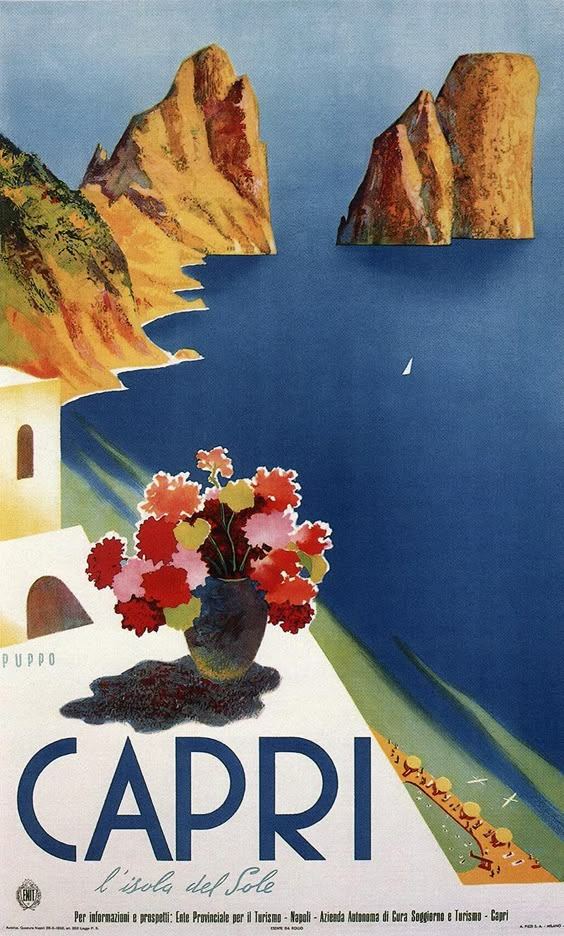
- A printed postcard or poster of your view. Low cost, easy to post, and guests frame them.
- An illustrated map of the area with your recommendations.
- Matches, stickers or a printed napkin for the bar.
- A tote or beach bag with something better than just a logo on it.
- A signature ceramic cup or plate, made by a local potter.
- A custom textile: a cushion, a table linen, a robe or a pareo with a print made only for you.
Part 6Something made just for you
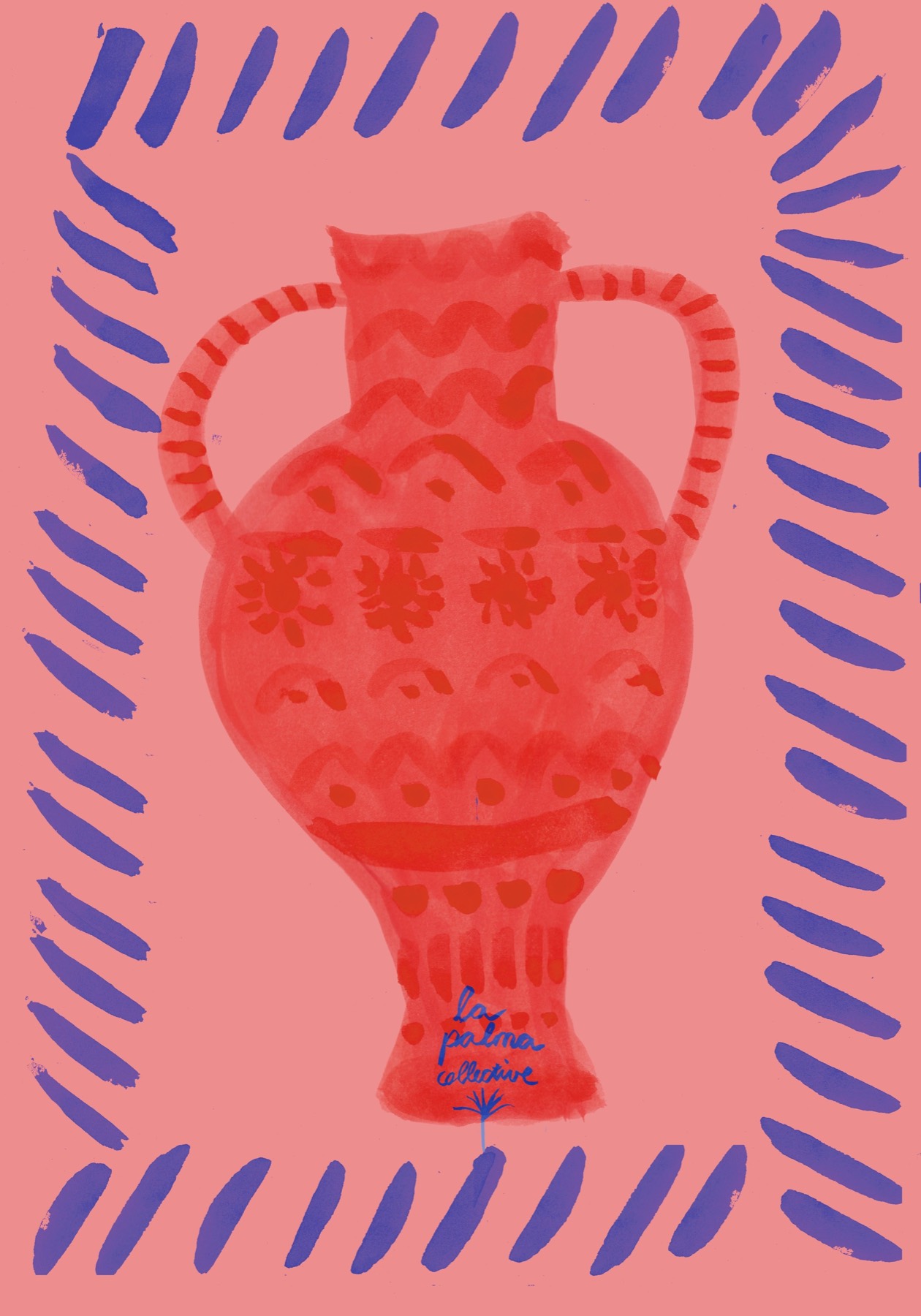
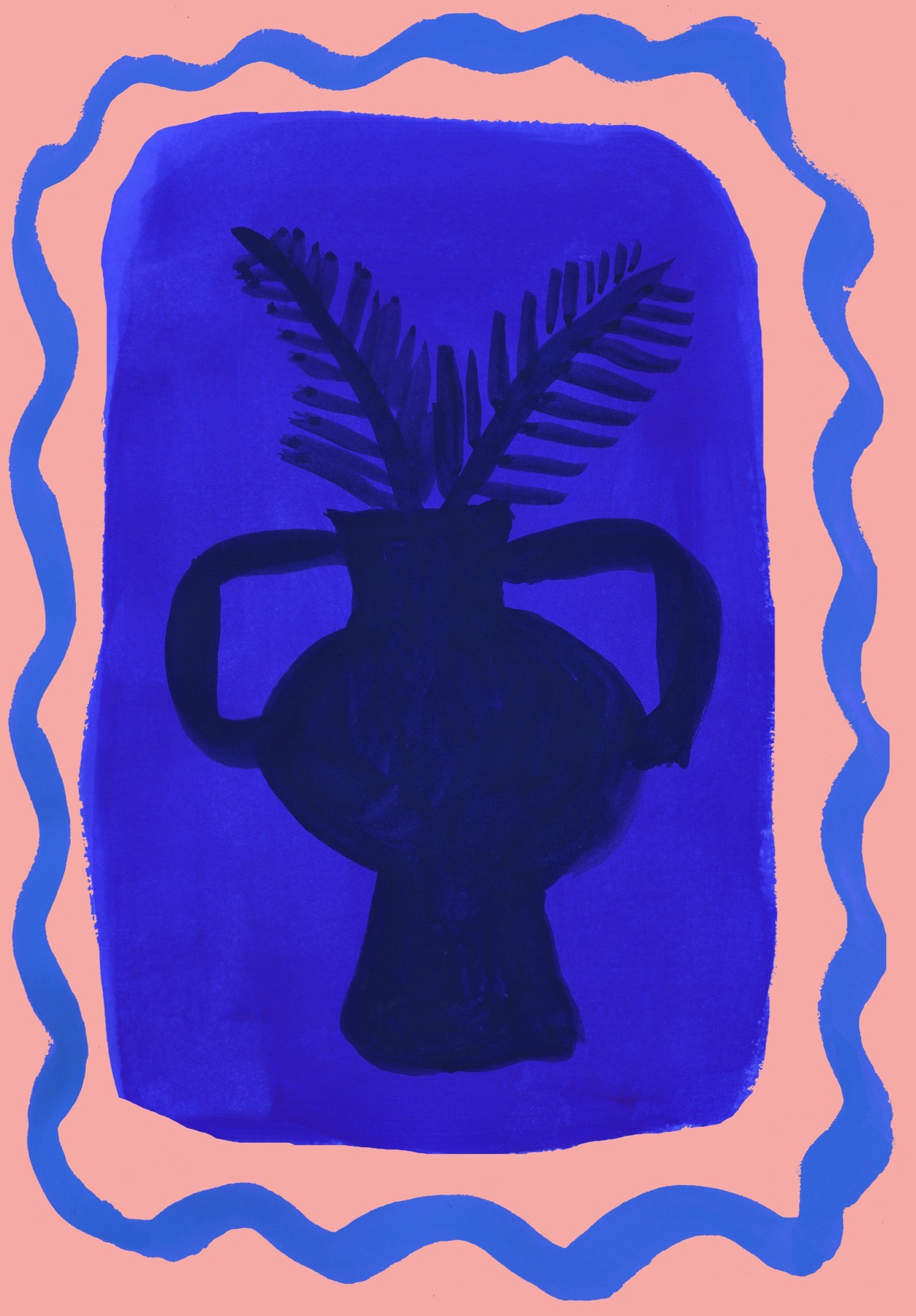
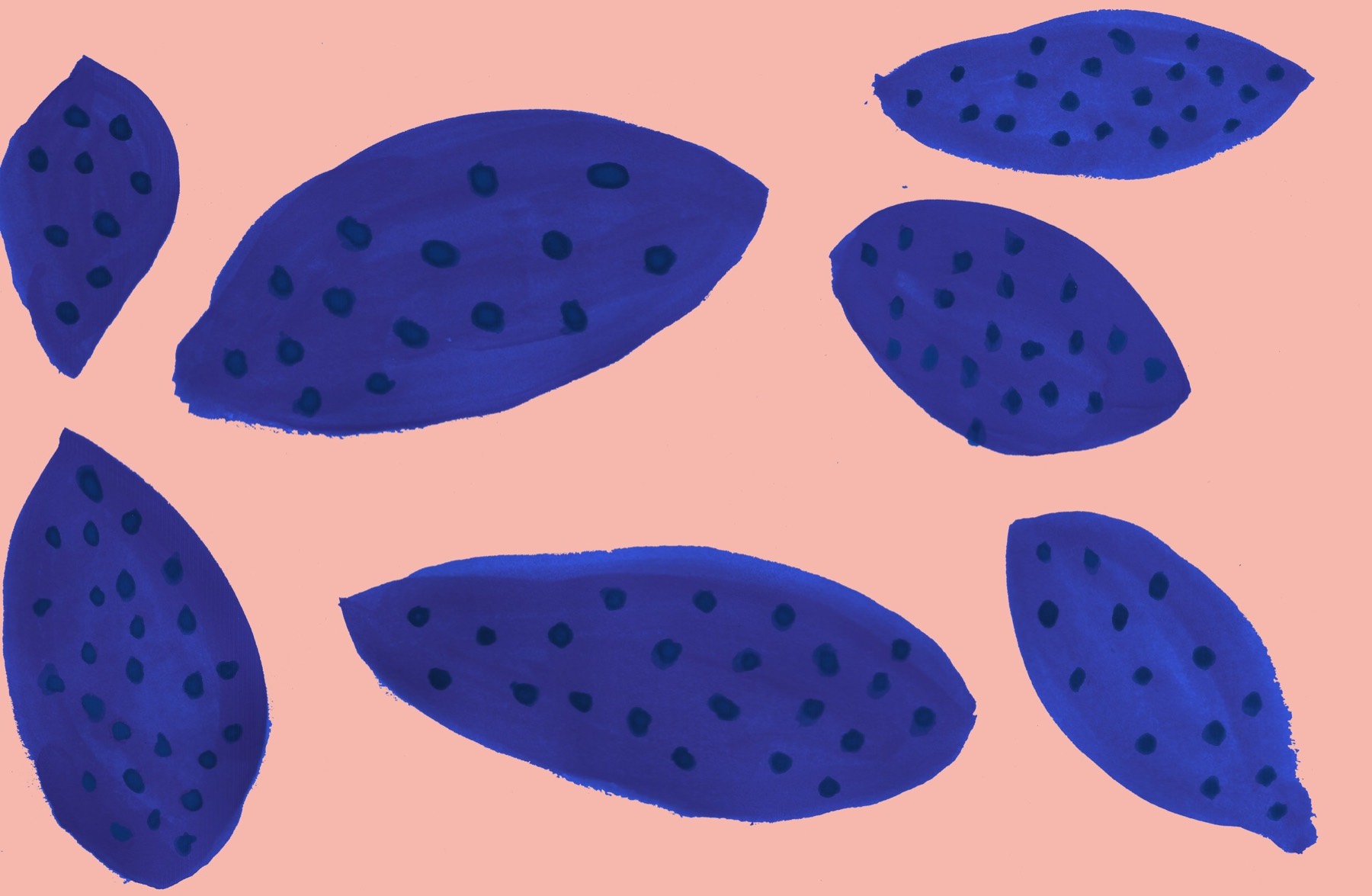
Through La Palma Collective, Lucy's textile design practice, we can develop an original print for cushions, table linen, a robe or a pareo that belongs only to your place. It usually starts with the colours, plants, tiles or stories of the property itself. Sampling and production are scoped separately, project by project, because it depends a lot on quantities and materials.
Part 7Working with local artists
Collaborating with a local artist or maker is one of the easiest ways to make your place feel specific and connected to where it is. It can be as simple as hanging and selling their work, or as involved as a small product made together.
- Look for people whose work already feels like your place, not just people who are popular.
- Start small: a few pieces on the walls with prices, or one product for the shop.
- Agree things clearly in writing: who pays for what, how sales are split, how long it runs, how they're credited.
- Credit them properly everywhere: on a card next to the work, on social media, in the shop.
- Tell the story. Guests love knowing who made something and where.
Part 8The goodbye, and after
The last moments of a stay are what people remember on the drive home. A proper goodbye, a small thing to take away (a postcard, a bag of almonds, a recipe from breakfast), and a thank-you email a few days later that actually sounds like a person wrote it. It's also the right moment to ask for a review, and to invite them to follow along or come back.
Have something in mind, or no idea what to put in your shop? Write to us. Send the slightly unusual ideas too.